Quick guides for healthcare professionals (HCPs)
Closing the gap in cancer care
At Ovacome we have a strong commitment to addressing health inequalities across all areas of our work. Health inequalities exist across many different communities because of language, rurality, low income, age, cultural sensitivities, and perceptions of healthcare. These barriers can have a big impact on how people access diagnosis, treatment, and support for ovarian cancer.
The guides below have been made to highlight some of the specific barriers which exist for those who may present with signs and symptoms of ovarian cancer, and how to improve best practice.
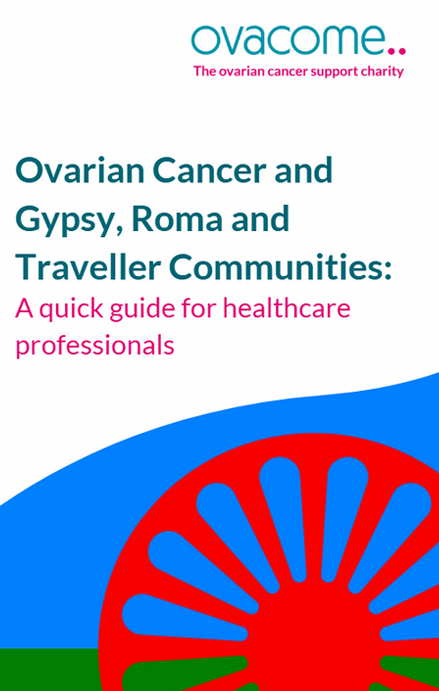
Ovarian cancer and Gypsy, Roma and Traveller communities
Gypsy, Roma and Traveller communities experience significant health inequalities. This leaflet highlights specific barriers these communities face when accessing healthcare and talking about the signs and symptoms of ovarian cancer. It gives concise and specific recommendations for best practice, to improve patient experience.
Ovarian cancer and people with learning disabilities
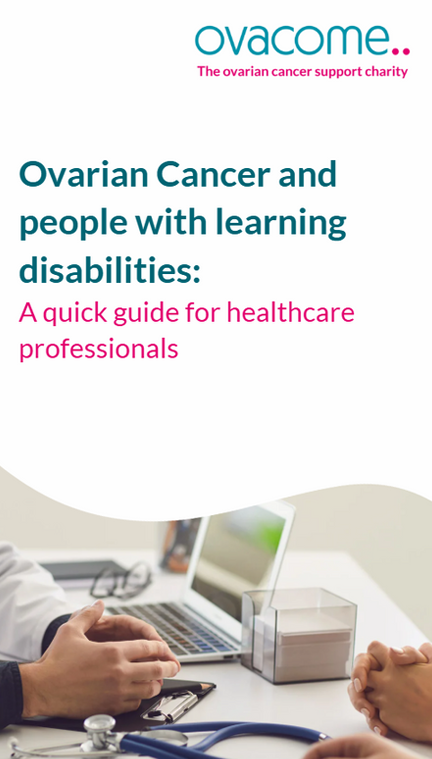
In the UK there are approximately 905,000 adults with learning disabilities. People with learning disabilities are more likely to receive a delayed cancer diagnosis due to inequity of access to health services.
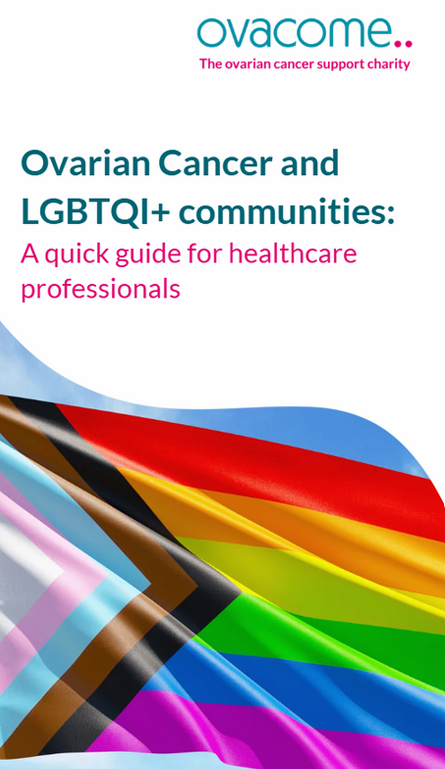
Ovarian cancer and LGBTQI+ communities
We know people from LGBTQI+ communities experience significant health inequalities particularly in gendered spaces for sex-specific cancers. This leaflet highlights some of the specific barriers which exist to accessing information, diagnosis, and support in ovarian cancer care.
Become part of the Ovacome community
Our members are at the heart of everything we do. There’s no cost to membership. Be the first to hear about Ovacome news and join a friendly, supportive community, all working together to promote knowledge and support others.