Ella
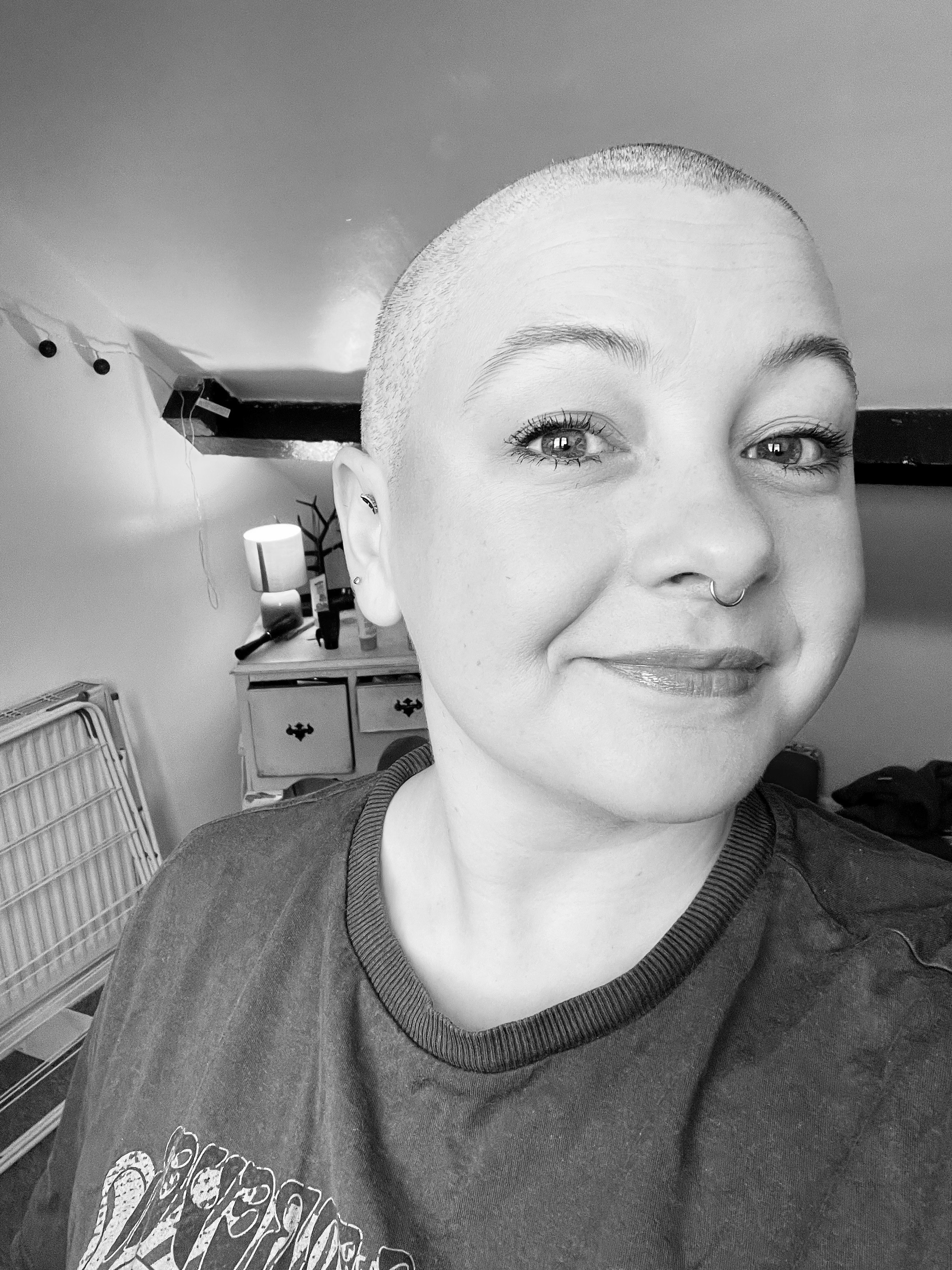
Being diagnosed with cancer was the last thing Ella expected at the age of 30, but in 2024, Ella, who is a specialist nurse, found herself facing a diagnosis of a rare form of ovarian cancer called mucinous ovarian cancer.
This type of ovarian cancer generally affects people under the age of 40. Due to its rarity, there aren’t always as many resources readily accessible with information on the disease. Only three in every 100 cases of ovarian cancer are diagnosed as mucinous in the UK, meaning roughly 200 people are diagnosed with this rare cancer every year (in the UK). At Ovacome we have a range of information booklets on rare ovarian cancers, including mucinous ovarian cancer, which you can read about and download here: Ovacome: Mucinous ovarian cancer.
Ella first started experiencing symptoms when she was 28, which had led her to go back and forth to her GP for a few years. Eventually, Ella had an episode of such severe pain that she drove herself to A&E in the early hours of morning, discovering through subsequent tests that she actually had a two-litre cyst on one of her ovaries.
“I had some really inconsistent symptoms at first, with the main ones being pain when passing urine and some bloating. I was back and forth to my GP for a few years, but didn’t get very far as the symptoms would often disappear for a while. It wasn’t until six months before I was hospitalised that I started getting more intense and frequent symptoms.
On the day I was admitted to hospital I was just in such intense pain, I’d rang 111, and just needed someone to look at me urgently. At the hospital I had the CT scan, which is when the cyst was discovered and then I had the surgery five days later to try and deal with that. It was the biopsy from this surgery that then led to me getting a phone call three weeks later informing me of my cancer diagnosis and the need for further treatment.”
Reflecting on her symptoms and diagnosis, Ella stressed that despite working in a medical environment, she hadn’t really considered ovarian cancer as a possible cause until her actual diagnosis.
“I hadn’t really thought about the possibility of ovarian cancer too much, even though I was aware of the disease as I had a great-great Aunt that had passed away from it. Three months after I’d been diagnosed with cancer I was also diagnosed with Polycystic ovary syndrome (PCOS), which was initially thought to have been endometriosis. I can honestly say cancer wasn’t on my radar at all really, so it was a lot to try to come to terms with.”
Since her diagnosis, Ella’s treatment involved surgery and chemotherapy, and fortunately she’s currently at a point where her CA125 level has returned to a normal level, and there’s no further evidence of the disease.
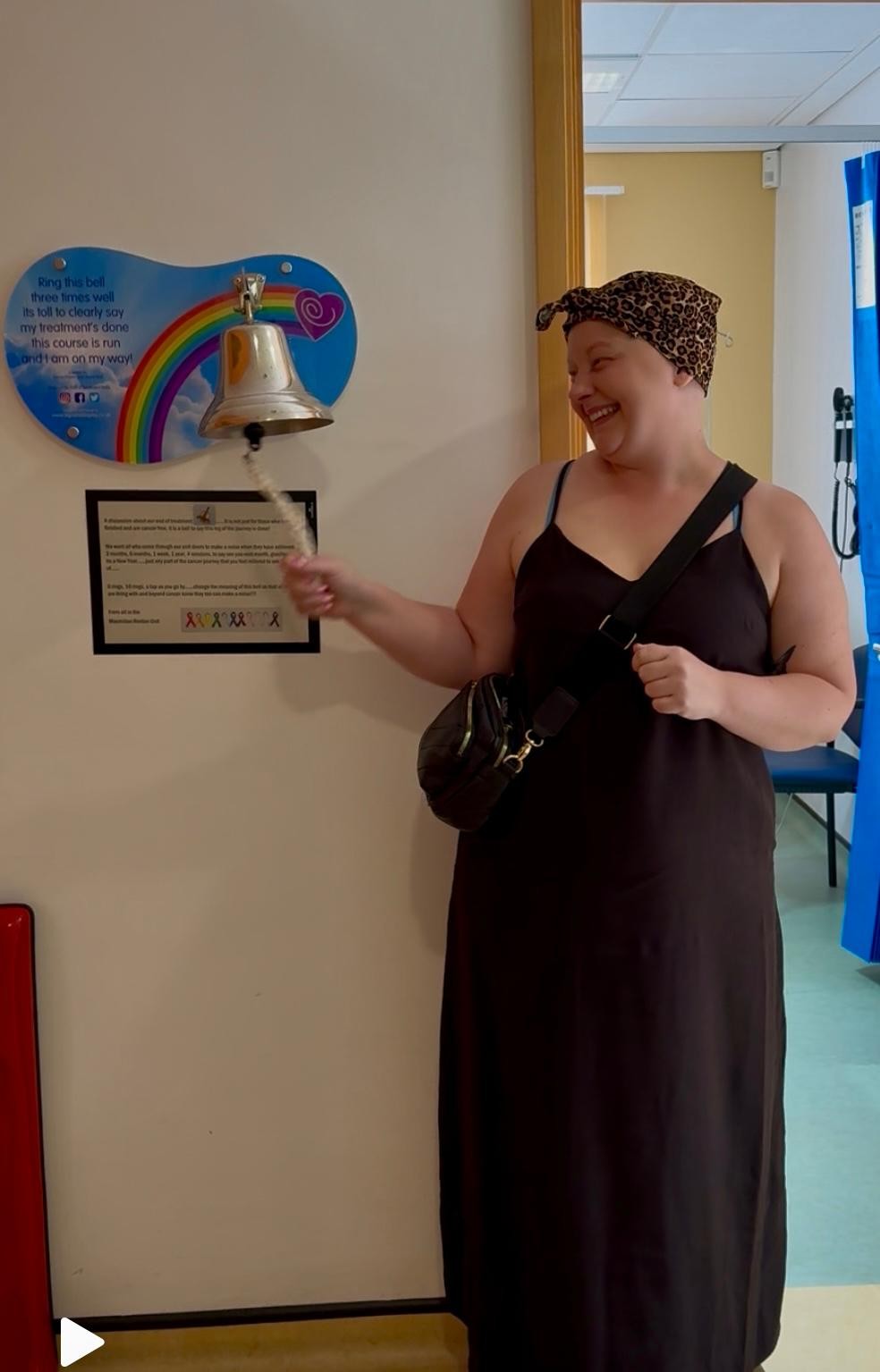
Ella also attended one of Ovacome's support groups, encouraging others to give them a try.
"One thing I wish I had found sooner was Ovacome’s Under 45’s Support Group. I actually only managed to attend the Rare Cancers Group, but I think because of my age the Under 45’s group may have been a better fit. When I discovered a lot of Ovacome’s groups, I was at the end of my treatment – but I think the groups can be so beneficial for people, particularly those who have just been diagnosed.”
Ella also touched upon some of the other challenges she faced with her diagnosis:
“Managing finances and other aspects of life like work and my career was a challenge for sure. I didn't do very well at the beginning if I’m honest. I was in the middle of doing my masters, and presently I've done two out of three years of my master's. I was meant to be starting my dissertation last September, and I still get upset at the thought that I would have finished it by now if none of this had happened.
I’d also recently bought a house, so there were financial pressures on me like paying off my mortgage etc – things like this that may not be something you have to consider if you’re diagnosed later in life. For this reason, I really recommend people looking into getting Critical Life Insurance, as I probably returned to work sooner than I may have wanted to, as I needed to have an income. However, I have to say my workplace was fantastic with me, and accommodated me and my return really well. I actually found that work sometimes helped me to get out of my head and feel a sense of normalcy, but I think you just have to listen to your body and realise everyone’s experience is unique.”
Another aspect of diagnosis that Ella wanted to highlight was the importance of family and friends for her, as well as the effect that social media can have when living with a diagnosis.
“I don’t think it’s really discussed that much in relation to cancer, but nearly all of us are on social media. As a younger person I was no exception and I did find I had to limit Facebook and Instagram. Algorithms are obviously everywhere, so I found that I had to proactively search for other things to distract me at times, because otherwise cancer content can take over. It can be really difficult to manage, as there are some days you just don’t want to read about cancer or anything to do with it.
On the flipside, I think I was really lucky to be able to lean on my family and friends throughout my cancer diagnosis. It’s also important knowing the right people to lean on, as sometimes people can actually drain your energy even more. Hopefully you’re able to find a good group of people though and people that will stick with you, I think that’s so important.”
Ella also spoke about the ways in which she embraced the situation she found herself in, particularly around identity and the reality she faced of losing her hair after chemotherapy.
“I think because I was so young, losing your hair is kind of a big deal, and almost a shock. For this reason, I kind of tried to just embrace it – I’ve got so many different headscarves and wigs, I just change it up everyday if I feel like it.
By trying to own as much of the diagnosis as I could, it was my way of taking control and maybe reducing some of that heartbreak you get from losing your hair. Previously I dyed my hair so many different colours, and it was long and it was just a huge part of my identity really, so I genuinely thought I was going to really struggle with losing it. But my mindset of taking ownership in a way, getting into hats and headscarves actually made it a lot easier for me personally, and added some positivity to those inevitable darker days that you face.”
One of the most striking aspects about Ella’s experience was her age at time of diagnosis. Typically, ovarian cancer is most common in people over the age of 50, but it can occur at a younger age, with Ella’s story highlighting this.
“I think one of the hardest things about my diagnosis was my age. It was hard in the sense that a lot of people that had ovarian cancer were a bit older, so I couldn’t relate quite as much, and also in the sense that I had a rare type of ovarian cancer – you do feel a bit isolated at first, but Ovacome were great in supporting me."
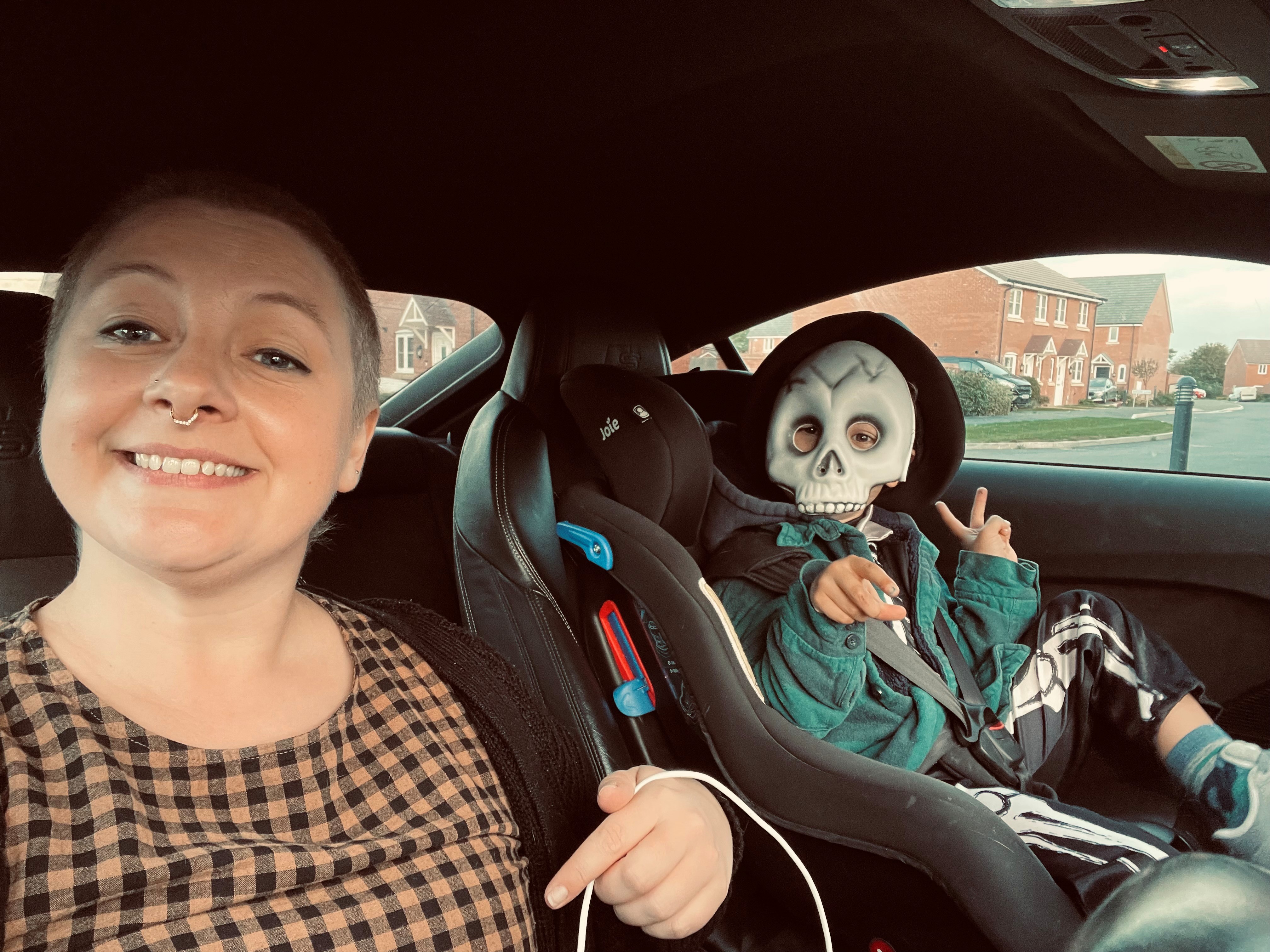
Ella shared the importance for her in talking to a counsellor, and the impact that crafting and fundraising had on her mental health.
“Chemotherapy was tough, as was the whole situation I was in, so when I had the opportunity to have a counsellor, I took it. They asked me what I wanted from a counsellor and I said ‘someone who’s not related to me in anyway, someone who’s not going to get upset with what I have to say, you know someone who is going to allow me to rant about feeling angry about getting cancer’. Having this space to unload was so big for me in terms of mental health, and it was just great to be able to really vent when I was feeling rubbish from chemo or frustrated by the whole situation I found myself in, for those reasons I really recommend people to give it a go if they have the opportunity.
The other thing that positively helped my mental health when I was going through treatment was doing some fundraising for a local charity. I have a love of all things crafting so being able to take some time out to craft, and that subsequently going towards the charity was great in so many ways. For me crafting is like my mindfulness, so crocheting and being able to give things I’ve made as gifts was hugely rewarding and gave me something to work towards. Honestly, I think it’s just giving some of your time up, in whatever way to help others – it really just put a smile on my face and I’d recommend it to anyone!”
One of the reasons Ella wanted to share her experience was to showcase that ovarian cancer effects a range of ages, including younger people. Ella’s story is set to feature on our new Under 45’s Hub, which is a place that brings together a special collection of our PIF TICK accredited information booklets into a dedicated space on our website for under 45s. The 20 booklets focus on the types of ovarian cancer that can affect younger people, and the specific needs of under 45s.
Commenting on the launch of this hub, Ella said:
"I think what my story shows is that younger people with ovarian cancer can face very different challenges, and the Under 45’s Hub recognises that. It can connect people who might otherwise feel isolated and provide support that truly reflects our age and stage of life. Most importantly, it shows that younger women aren’t alone in this.”
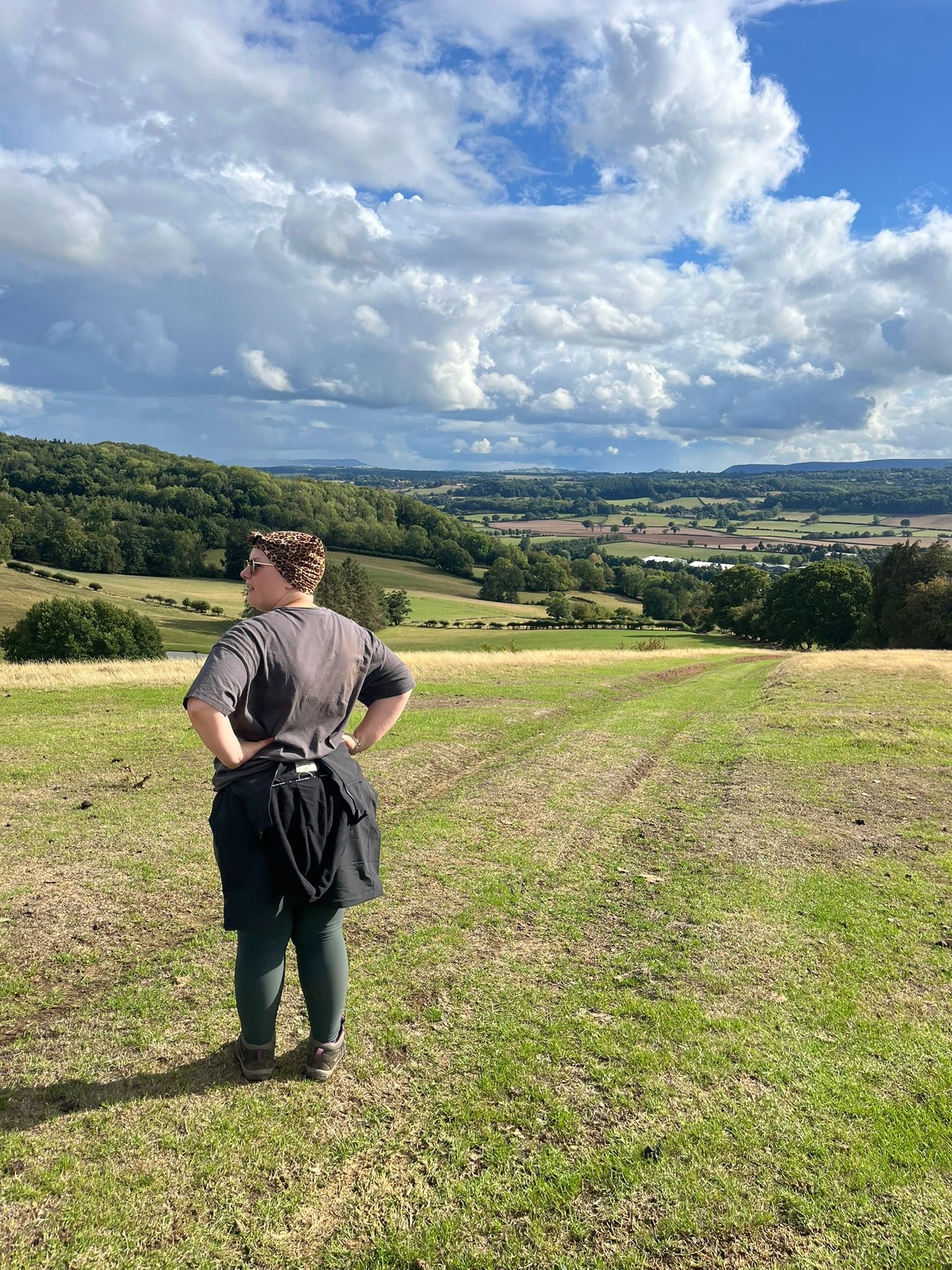
Finally, Ella reflected on the support she received from Ovacome.
“I think the most impactful thing about Ovacome for me was the information booklets and particularly the stuff on my specific type of rare ovarian cancer. To be able to easily access a resource that’s accurate and written in layman’s terms was so important for me, and it meant I could just direct friends and family to the resources and help them to understand what was happening to me as well, which was really important to me.”
We’re extremely grateful that Ella has chosen to share her experience with Ovacome and our community.