

Trusted information for people diagnosed with ovarian cancer under 45
Our booklets are written and reviewed by medical professionals working in the field, and quality reviewed and informed by people affected by ovarian cancer. They are PIF TICK accredited, and available to order for FREE.
Use the drop down list below to select a category.

Select booklet category:
"I think the most impactful thing about Ovacome for me was the information booklets and particularly the stuff on my specific type of rare ovarian cancer. To be able to easily access a resource that’s accurate and written in layman’s terms was so important for me, and it meant I could just direct friends and family to the resources and help them to understand what was happening to me as well, which was really important to me."
Ella
Rarer types of ovarian cancer
Rarer types of ovarian cancer are more often seen in those diagnosed under the age of 45.
Clear cell carcinoma of the ovary
Clear cell is an uncommon form of ovarian cancer. Clear cell may be more common in people with a history of endometriosis. This booklet covers what clear cell carcinoma of the ovary is and how it is treated.
Borderline ovarian tumours
Borderline ovarian tumours are usually diagnosed early and can often be treated with surgery alone and cured. This booklet describes different types of these tumours and how some can develop into more serious cancers. It also discusses fertility-sparing surgery.
Mucinous
Mucinous is a rare form of ovarian cancer. Most cases are found at stage 1 and can be treated by surgery only. This booklet discusses fertility-sparing surgery, and how this rare cancer requires different cancer markers.
Low grade serous ovarian cancer
This booklet describes low grade, a rarer form of ovarian cancer that grows slowly. It discusses treatments with surgery and chemotherapy and research into new drugs.
Rare ovarian tumours
This booklet discusses rare forms of ovarian cancer such as germ cell tumours, sex cord stromal tumours including granulosa cell tumours, and others. It outlines the basic principles for treatment.
Granulosa cell tumours
Granulosa cell tumours are a type of sex cord stromal tumour that develop from cells in the ovary. This booklet covers causes, symptoms, tests and treatment options.
Germ cell tumours
Germ cell tumours can be cancerous or non-cancerous. Germ cell ovarian cancer is a rare form of the disease. This booklet covers the different types of germ cell tumours, how germ cell ovarian cancer is diagnosed and treatment options.
Type of treatment
Surgery for ovarian cancer
This booklet takes you through hospital admission, surgery, possible complications, recovery and the experience of going back home. It describes the different operations used to treat ovarian cancer.
Chemotherapy
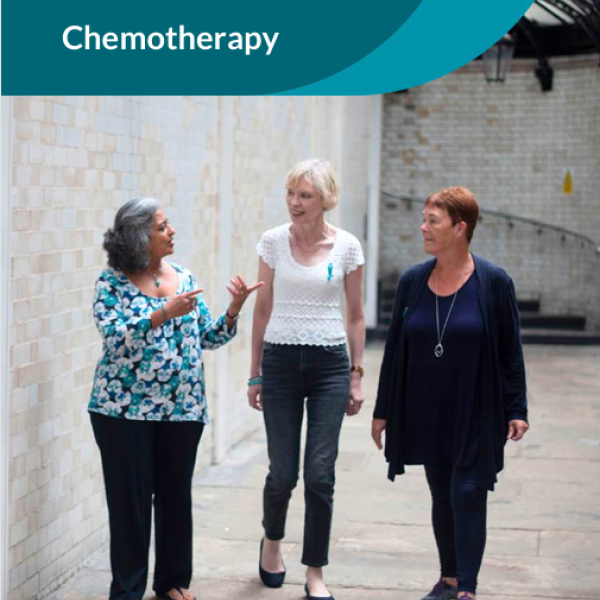
If you have ovarian cancer you are likely to be treated with chemotherapy. This booklet talks about carboplatin, Taxol and Caelyx, which are often used, side effects and how to care for yourself during treatment.
You and your relationships
Talking to family and friends
Ovarian cancer and your sex life
Fertility
Taking care of yourself
Coping with anxiety

This booklet suggests ways of managing your feelings. It also gives strategies to help you plan for potentially stressful events, such as follow-up appointments.
Managing fatigue
Fatigue is common in people with cancer. It can be a symptom of your illness, or a side effect of your treatment. Learn how to manage this and make changes in your life that save your energy and help you feel stronger.
Surgical menopause

Some people will experience a surgical menopause caused by their cancer treatment. This booklet details menopause symptoms and how to manage them. It also gives information on HRT and some alternatives to this.
Living your life
Going back to work
This booklet outlines the Equality Act 2010 and discusses your employer’s responsibility to make reasonable adjustments that can help you return to work.
Travelling abroad

Practical information to help you to enjoy holidays abroad. It covers making sure you are fit to fly, travelling with your medication and making sure you get the travel assistance you need. It lists insurance companies that may cover people with a cancer diagnosis.
Ovarian cancer and genetic risk
Ovarian cancer and genetics
An overview of how genes can affect ovarian cancer risk. This booklet explains gene changes, discusses the BRCA genes and Lynch genes, and genes involved in rarer ovarian cancer types. It also describes genetic tests you may be offered if you are diagnosed with ovarian cancer.
Genetics testing
This is a detailed explanation of inherited risk, the different genetic tests available and what the results may mean. The booklet also discusses how test results could affect your family members.
Reducing and managing genetic risk
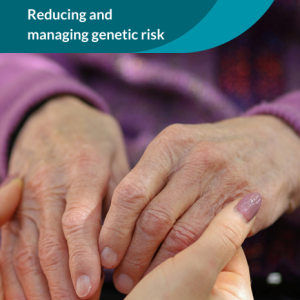
If genetic testing has shown you have a higher risk of ovarian cancer, this may lead you and your family to seek ways to reduce this. The booklet covers ovarian cancer surveillance, using hormones and risk reducing surgery, plus using targeted therapies if you have an ovarian cancer diagnosis.
You can explore the full range of our information booklets here: Information booklets
"My first reaction was fear and deep worry that I would need to have my ovaries and womb removed and I wouldn’t be able to have children. Alongside that, I felt very uncertain about what the future would look like and how my life would be affected."
"I struggled to find information about ovarian cancer that spoke to concerns younger people have, like fertility and
family planning, mental health, and work. As a younger woman with ovarian cancer, you often feel out of place."
Charlotte
Please consider making a donation
We’re committed to providing accurate, up-to-date information on ovarian cancer — from symptoms to treatment to life after diagnosis — for free.
If you value our expert-reviewed booklets and resources, please consider donating. Your support means we can continue to produce and share these vital materials with our community.